
Legal Online Blackjack by State
Real money online blackjack is legal in eight states and live in seven of them. Tap any state below for its full guide, laws and best sites.
The short answer
- Live now: Connecticut, Delaware, Michigan, New Jersey, Pennsylvania, Rhode Island, West Virginia.
- Legal, not launched: Maine, expected late 2026 or early 2027.
- Poker only: Nevada has never licensed an online casino game.
- Everywhere else: no state-regulated option, and offshore sites are what players reach.
- The test: where you are standing, verified by geolocation, not where you live.
Online Blackjack Status in All 50 States and D.C.
Select a state for its full guide, including licensed sites, land-based blackjack, statutes, tax treatment and legislative history.
Legal and live (7)Legalized, not launched (1)Online poker only (1)Offshore only (42 plus D.C.)
Status as of Aug. 26, 2026. Gambling law changes fast, so every claim on this page is dated and this table is reviewed monthly.
The Best Legal Blackjack Sites by Coverage
Four state-licensed operators that reach the most legal markets between them, ranked on blackjack depth rather than lobby size.

BetRivers Casino
NJ, PA, MI, WV, DE
Nine separate blackjack variations in the New Jersey lobby, and the only major brand a Delaware player can reach.

BetMGM Casino
NJ, PA, MI, WV
The largest share of licensed US online casino revenue among these brands, with Evolution and Ezugi live tables.

DraftKings Casino
NJ, PA, MI, WV, CT
One of only two brands Connecticut allows, running under the Mashantucket Pequot Tribal Nation.

Caesars Palace Online
NJ, PA, MI, WV
The only brand dealing from its own branded Evolution studios, five blackjack tables per room with one VIP-exclusive.





Legal Online Blackjack at a Glance
Eight states have legalized, seven have live markets, and the map is far smaller than the sports betting map for reasons worth understanding.
The seven states with live online blackjack
As of Aug. 26, 2026, you can open an account with a state-licensed operator and play real money blackjack in seven states: Connecticut, Delaware, Michigan, New Jersey, Pennsylvania, Rhode Island and West Virginia. Every one of these markets requires players to be 21 or older and physically inside state lines at the moment of play, verified by geolocation software.
Maine is legal but not yet live
Maine became the eighth state to legalize online casino gaming when Gov. Janet Mills allowed LD 1164 to become law without her signature in January 2026, and the law took effect July 29, 2026. No site has launched. Regulators are still writing rules and issuing licenses, and a federal lawsuit challenges the structure of the law. Industry expectations point to late 2026 or early 2027.
Nevada is a special case
Nevada’s interactive gaming law is broad enough to permit online casino games, but the Nevada Gaming Commission has only ever authorized online poker. There is no licensed online blackjack in Nevada, and no active push to add it.
Why the map is so much smaller than sports betting
Roughly three dozen states allow online sports betting. Only eight allow online casino games. These are separate legal categories that require separate legislation, separate licenses and separate regulatory rulemaking. A state having a mobile sportsbook tells you nothing about whether online blackjack is legal there. The gap exists for three reasons: land-based casino operators and casino labor unions fear cannibalization of their floors, state lotteries fear losing iLottery revenue, and problem-gambling advocates draw a sharp distinction between an event-based wager and a game that can be played continuously.
Key market numbers
The American Gaming Association reported that internet gaming revenue across the seven live states topped $10 billion in 2025. New Jersey, Pennsylvania and Michigan account for the overwhelming majority of it. In 2025, online casino revenue exceeded land-based commercial casino revenue in both Pennsylvania and New Jersey for the first time. And online blackjack is taxed as a table game rather than a slot in the states that separate the two, a distinction worth 38 percentage points in Pennsylvania.
How a state gets from a bill to a blackjack table
The statute, the regulator, the licence and the certification, and the reason a yes vote starts the clock rather than stopping it.
The Eight Legal States in Detail
Launch date, regulator, market structure, tax rate and blackjack depth for every state that has authorized the game.
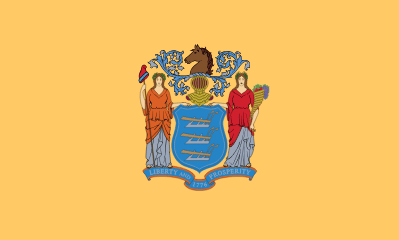
New Jersey
Launched Nov. 21, 2013. Two dozen brands. Deepest blackjack menu in the country.
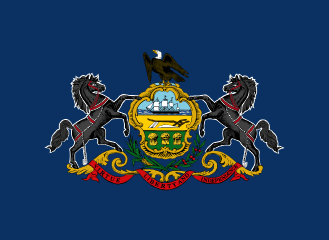
Pennsylvania
Launched July 15, 2019. Table games taxed at 16 percent against 54 percent on slots.
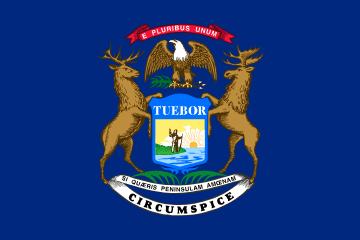
Michigan
Launched Jan. 22, 2021. Commercial and tribal licensees under one framework.
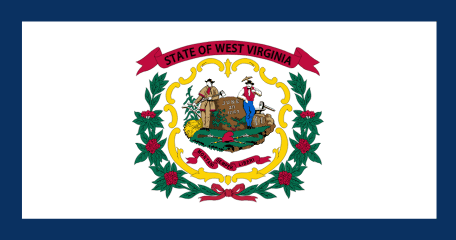
West Virginia
Launched July 15, 2020. Five licensees, three brands each, 15 percent tax.
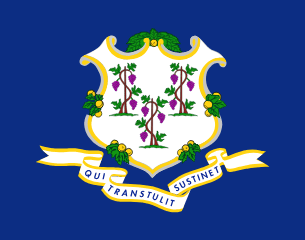
Connecticut
Launched Oct. 19, 2021. Two tribal licenses and no route to a third.
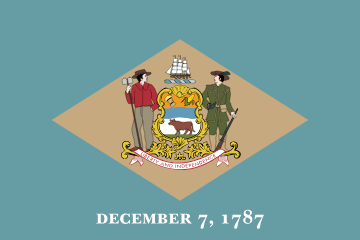
Delaware
Launched fall 2013. A lottery monopoly on one shared platform.
Rhode Island
Launched March 5, 2024. One operator, and live blackjack from day one.
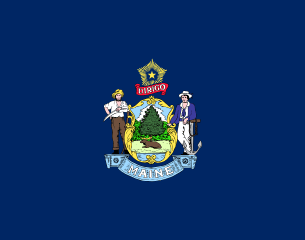
Maine
Legal, not launched. Exclusive to the four Wabanaki Nations.
New Jersey Online Blackjack
Status: Legal and live. Launched: Nov. 21, 2013. Gov. Chris Christie signed A2578 on Feb. 26, 2013, creating the first large-scale regulated online casino market in the country. New Jersey remains the template other states copy and the largest market by operator count.
- Regulator: New Jersey Division of Gaming Enforcement, with the Casino Control Commission handling licensing.
- Structure: Every online site must be tethered to an Atlantic City casino licensee. Servers must be located in Atlantic City or at approved sites in the state.
- Tax: The internet gaming tax rose from 15 percent to 19.75 percent of gross gaming revenue on July 1, 2025, under A5803, part of the fiscal 2026 budget. The same law raised online sports betting to 19.75 percent. Land-based casino tax rates were unchanged.
- Sites: More than two dozen licensed online casino brands, including DraftKings, FanDuel, BetMGM, Caesars Palace Online Casino, Borgata, Golden Nugget, bet365, Fanatics, BetRivers and PokerStars.
- Blackjack selection: The deepest in the country. Multiple RNG variants from several studios plus extensive live dealer tables broadcast from Atlantic City studios.
- Age: 21.
Full New Jersey online blackjack guide
Pennsylvania Online Blackjack
Status: Legal and live. Launched: July 15, 2019. Act 42 of 2017, signed Oct. 30, 2017, authorized online casino gaming as part of a broad gambling expansion that also legalized sports betting. Online casino games went live about two months after the first mobile sports bets.
- Regulator: Pennsylvania Gaming Control Board.
- Structure: Interactive gaming certificates are issued separately for online slots, online table games and online poker. Land-based casino licensees had first claim on certificates, with unclaimed certificates offered to qualified outside applicants.
- Tax: 54 percent on online slot revenue and 16 percent on online table games and poker. Because blackjack is a table game, Pennsylvania is one of the more favorable states for the product despite its reputation for high taxes.
- Sites: More than 20 licensed brands, including Hollywood Casino, BetRivers, betPARX, Caesars, DraftKings, FanDuel, BetMGM and Fanatics.
- Blackjack selection: Broad RNG catalogs and live dealer tables from in-state studios.
- Age: 21.
Full Pennsylvania online blackjack guide
Michigan Online Blackjack
Status: Legal and live. Launched: Jan. 22, 2021. Gov. Gretchen Whitmer signed the Lawful Internet Gaming Act in December 2019. Michigan is unusual in licensing both commercial Detroit casinos and federally recognized tribes under a single state framework, which produced a large market quickly.
- Regulator: Michigan Gaming Control Board.
- Structure: Each of the three Detroit commercial casinos and each participating tribe may hold an internet gaming license and partner with a platform provider.
- Tax: A graduated rate that rises with operator revenue, topping out at 28 percent. Tribal operators pay a separate share to their governing bodies.
- Sites: 15 licensed operators as of August 2026.
- Enforcement: The Michigan Gaming Control Board is the most aggressive regulator in the country on unlicensed offshore and sweepstakes operators, issuing regular cease-and-desist letters.
- Age: 21.
Full Michigan online blackjack guide
West Virginia Online Blackjack
Status: Legal and live. Launched: July 15, 2020. The West Virginia Lottery Interactive Wagering Act became law in March 2019 without Gov. Jim Justice’s signature. The market is small in population but has grown quickly, and on a per-resident basis it now performs comparably to Pennsylvania.
- Regulator: West Virginia Lottery Commission.
- Structure: Each of the state’s five land-based casino licensees may offer up to three online brands.
- Tax: 15 percent of adjusted gross gaming revenue, one of the lowest rates in the country.
- Sites: At least 10 live brands, including DraftKings, FanDuel, BetMGM, Caesars, Fanatics and BetRivers.
- Note: West Virginia has authorized online poker but no operator has launched it.
- Age: 21.
Full West Virginia online blackjack guide
Connecticut Online Blackjack
Status: Legal and live. Launched: Oct. 19, 2021. Connecticut legalized through amended tribal compacts rather than an open commercial licensing scheme. The Mashantucket Pequot Tribal Nation and the Mohegan Tribe hold the only two online casino licenses, each paired with a national operator.
- Regulator: Connecticut Department of Consumer Protection, Gaming Division, working alongside tribal gaming authorities.
- Structure: Two licenses only. DraftKings partners with the Mashantucket Pequot Tribal Nation and FanDuel with the Mohegan Tribe. The Connecticut Lottery holds separate sports betting rights.
- Tax: 18 percent of online casino gross gaming revenue for the first several years of the compact, scheduled to rise to 20 percent. Operators also pay an annual license fee.
- Blackjack selection: Solid, but limited by having only two platforms competing.
- Sweepstakes: Connecticut banned online sweepstakes casinos under Public Act 25-112 in June 2025.
- Age: 21.
Full Connecticut online blackjack guide
Delaware Online Blackjack
Status: Legal and live. Launched: Fall 2013. Delaware was the first state to pass an online casino law, through the Delaware Gaming Competitiveness Act of 2012, and one of the first to launch. It has always run as a lottery-controlled monopoly.
- Regulator: Delaware Lottery, within the Department of Finance.
- Structure: The state’s three racinos, Delaware Park, Bally’s Dover and Harrington Raceway and Casino, all operate on a single lottery-contracted platform. Rush Street Interactive took over as the platform provider in 2024, replacing the previous vendor.
- Tax: Delaware uses a revenue-sharing model with the state taking one of the largest effective cuts among legal states, which constrains marketing spend and promotional offers.
- Blackjack selection: Narrower than the multi-operator states. Verify current live dealer availability before you sign up.
- Age: 21.
Full Delaware online blackjack guide
Rhode Island Online Blackjack
Status: Legal and live. Launched: March 5, 2024. Rhode Island legalized online casino gaming in 2023 and launched the following March after a four-day test period. It is the smallest and most tightly controlled market in the country.
- Regulator: Rhode Island Lottery, with the Department of Business Regulation.
- Structure: A single operator. Bally’s, which owns both of the state’s land-based casinos, runs the only licensed online casino.
- Blackjack selection: Live dealer blackjack and roulette were included from launch, which surprised observers given the market’s size. RNG table game selection is limited compared with New Jersey or Michigan.
- Tax: Among the highest effective rates in the country, reflecting the monopoly structure.
- Age: 21.
Full Rhode Island online blackjack guide
Maine Online Blackjack
Status: Legal, not yet launched. Expected: Late 2026 or early 2027. LD 1164, titled An Act to Create Economic Opportunities for the Wabanaki Nations Through Internet Gaming, passed the Legislature in June 2025. Gov. Janet Mills declined to sign or veto it, and it became law automatically in January 2026. It took effect July 29, 2026.
- Regulator: Maine Gambling Control Unit, within the Department of Public Safety.
- Structure: The four federally recognized Wabanaki Nations, the Passamaquoddy Tribe, the Penobscot Nation, the Mi’kmaq Nation and the Houlton Band of Maliseet Indians, hold exclusive rights. Each may partner with one commercial operator, allowing up to four platforms. DraftKings and Caesars already run tribal-tethered sportsbooks in the state and are considered likely entrants.
- Games: The law covers internet table games including blackjack, roulette and poker, plus slots.
- Tax: Published reports have cited both 16 percent and 18 percent of gross gaming revenue. We have not been able to confirm either against the enacted text.
- Litigation: Churchill Downs, owner of Oxford Casino, filed a federal suit arguing the tribal-exclusive structure amounts to unlawful race-based discrimination and unfairly excludes the state’s two commercial casinos. Penn Entertainment, which owns Hollywood Casino Bangor, has also challenged the model. The Maine Gambling Control Board urged a veto on the grounds that the structure creates a monopoly.
- Why the delay: The Gambling Control Unit must finalize rules, vet and approve licenses, certify platforms and oversee launch. The unit is small, and the litigation adds uncertainty.
- Sweepstakes: Maine separately banned sweepstakes casinos under LD 2007, effective in mid-July 2026, and has already enforced it.
Nevada: the online poker exception
Nevada authorized interactive gaming before any other state and launched online poker in April 2013, months ahead of Delaware and New Jersey. The statutory authority is broad enough that the Nevada Gaming Commission could approve online casino games, but it never has. The reason is commercial rather than legal: Nevada’s economy runs on tourists standing on casino floors, and the state’s operators have never pushed for a product that could keep residents home. Anyone marketing an online blackjack site as legal in Nevada is describing either an offshore operation or a sweepstakes product. See the full Nevada guide.
The regulator behind each legal market
Who writes the rules, who holds the licence file, and where the public roster of approved domains actually lives.
Online Blackjack Legal Status by State
Every state and the District of Columbia, with the governing law, the 2026 legislative activity and a link to the full guide.
| State | Status | Governing law or regulator | 2026 legislative activity |
|---|---|---|---|
| Alabama | Not legal | No commercial casino statute; Class II tribal gaming only | No iGaming bill |
| Alaska | Not legal | No casino framework | No iGaming bill |
| Arizona | Not legal | Tribal-state compacts; Arizona Department of Gaming | No iGaming bill; tribes have not sought expansion |
| Arkansas | Not legal | Amendment 100; Arkansas Racing Commission | Shelved for 2026 |
| California | Not legal | Penal Code 330; Proposition 1A tribal exclusivity | No iGaming bill; sweepstakes ban took effect Jan. 1, 2026 |
| Colorado | Not legal | Colorado Limited Gaming Control Commission | No iGaming bill |
| Connecticut | Legal and live | Public Act 21-23; Department of Consumer Protection | Market operating; sweepstakes banned |
| Delaware | Legal and live | Delaware Gaming Competitiveness Act of 2012; Delaware Lottery | Market operating |
| District of Columbia | Not legal | Office of Lottery and Gaming | No iGaming bill |
| Florida | Not legal | 2021 Seminole compact; Florida Gaming Control Commission | No iGaming bill; sweepstakes ban failed |
| Georgia | Not legal | No casino framework | Sports betting bills include a future iGaming mechanism |
| Hawaii | Not legal | No legal gambling of any kind | HB 2222 introduced in 2026; long shot |
| Idaho | Not legal | Constitutional prohibition; Class II tribal gaming | No iGaming bill |
| Illinois | Not legal | Illinois Gaming Board | Internet Gaming Act bills filed; no floor vote in 2026 |
| Indiana | Not legal | Indiana Gaming Commission | Senate bill advanced from committee, then shelved |
| Iowa | Not legal | Iowa Racing and Gaming Commission | No iGaming bill passed; sweepstakes enforcement powers added |
| Kansas | Not legal | Kansas Lottery owns state-owned casinos | No iGaming bill |
| Kentucky | Not legal | Kentucky Horse Racing and Gaming Corporation | No iGaming bill |
| Louisiana | Not legal | Louisiana Gaming Control Board | No iGaming bill; sweepstakes folded into racketeering law |
| Maine | Legal, not launched | LD 1164; Gambling Control Unit | Law effective July 29, 2026; rulemaking underway |
| Maryland | Not legal | Maryland Lottery and Gaming Control Agency | SB 885 got a hearing, died at deadline |
| Massachusetts | Not legal | Massachusetts Gaming Commission | HB 4431 sent to study in 2026 |
| Michigan | Legal and live | Lawful Internet Gaming Act; Michigan Gaming Control Board | Market operating; 15 licensed operators |
| Minnesota | Not legal | Tribal-state compacts | Stalled in tribal negotiations |
| Mississippi | Not legal | Mississippi Gaming Commission | No iGaming bill |
| Missouri | Not legal | Missouri Gaming Commission | No iGaming bill after Dec. 1, 2025 sports betting launch |
| Montana | Not legal | Montana Department of Justice Gambling Control Division | SB 555 expanded the internet gambling ban |
| Nebraska | Not legal | Nebraska Racing and Gaming Commission | No iGaming bill |
| Nevada | Poker only | Nevada Gaming Control Board; online poker only | No move to expand beyond poker |
| New Hampshire | Not legal | New Hampshire Lottery Commission | 2025 bill failed; no 2026 passage |
| New Jersey | Legal and live | A2578 of 2013; Division of Gaming Enforcement | Market operating; tax raised to 19.75 percent |
| New Mexico | Not legal | Tribal-state compacts; New Mexico Gaming Control Board | No iGaming bill |
| New York | Not legal | New York State Gaming Commission | S2614 abandoned in 2026 without governor’s support |
| North Carolina | Not legal | North Carolina State Lottery Commission | Study group reported favorably; no bill filed |
| North Dakota | Not legal | Tribal-state compacts | No iGaming bill |
| Ohio | Not legal | Ohio Casino Control Commission | Hearings held; governor opposed expansion |
| Oklahoma | Not legal | Tribal-state compacts | Compact disputes block expansion; sweepstakes ban effective Nov. 1, 2026 |
| Oregon | Not legal | Oregon Lottery; tribal compacts | No iGaming bill |
| Pennsylvania | Legal and live | Act 42 of 2017; Pennsylvania Gaming Control Board | Market operating; 20-plus brands |
| Rhode Island | Legal and live | 2023 law; Rhode Island Lottery | Single-operator market operating |
| South Carolina | Not legal | No casino framework | No iGaming bill |
| South Dakota | Not legal | South Dakota Commission on Gaming | No iGaming bill |
| Tennessee | Not legal | Sports Wagering Council; no casinos | Sweepstakes ban signed May 22, 2026 |
| Texas | Not legal | Texas Penal Code Chapter 47 | Legislature meets in odd years; 2027 is the next window |
| Utah | Not legal | Constitutional prohibition on all gambling | No iGaming bill; none expected |
| Vermont | Not legal | Vermont Department of Liquor and Lottery | No iGaming bill after 2024 sports betting launch |
| Virginia | Not legal | Virginia Lottery; new Gaming Commission pending | Two bills advanced, could not be reconciled |
| Washington | Not legal | RCW 9.46; Washington State Gambling Commission | No iGaming bill; strictest online gambling law in the country |
| West Virginia | Legal and live | Lottery Interactive Wagering Act; West Virginia Lottery | Market operating; 10-plus sites |
| Wisconsin | Not legal | Tribal-state compacts | Online sports betting signed April 9, 2026; casino games excluded |
| Wyoming | Not legal | Wyoming Gaming Commission | Shelved for 2026 |
States With Pending Online Blackjack Legislation
Of the 42 states without legal online blackjack, roughly a dozen have had real legislative activity in the past two sessions. The rest have none.
Four things kill online casino bills more reliably than opposition votes.
A referendum requirement
Maryland’s constitution requires voter approval for gambling expansion, adding at least a year and an election cycle.
A reenactment clause
Virginia’s 2026 bills required passage in two consecutive sessions before taking effect.
Tribal consent
In Minnesota, Oklahoma, Wisconsin, Arizona and New Mexico, existing compacts give tribes leverage that no legislature has been willing to override.
Governor opposition
New York’s 2026 bill died not on the floor but because the governor signaled she would not sign it.
Where each bill actually stands
Bill numbers, committee votes and effective dates, reviewed every month rather than copied from a press release.
States With No Realistic Near-Term Path
These states have neither active legislation nor a plausible route to it. The reasons differ and matter, because they tell you what would have to change.
Constitutional or total prohibition
Utah bans all gambling, including a lottery, and its constitution blocks expansion. Alaska has no casino framework at all; the only casino gaming connected to the state happens aboard international cruise ships. Alabama has no commercial casino statute and tribal facilities are limited to Class II gaming, meaning no live blackjack even in person. Idaho pairs a constitutional prohibition with Class II tribal gaming only.
Tribal exclusivity blocks expansion
Arizona legalized sports betting in 2021 but its tribes have shown no interest in online casino expansion. Oklahoma has more tribal casinos than any state, and long-running compact disputes have blocked both online sports betting and online casino gaming. New Mexico, North Dakota and Oregon route casino gaming through tribal compacts or the lottery with no online casino authority. California combines Proposition 1A tribal exclusivity with a decades-old fight over cardroom blackjack that has consumed all available political oxygen.
Protecting land-based revenue
Montana has moved in the opposite direction, expanding its definition of internet gambling through SB 555 specifically to protect land-based operators. Mississippi, Louisiana, Colorado, Iowa and South Dakota all have significant land-based casino industries and no iGaming momentum. Nevada belongs in this group as well.
No casino industry to build on
Tennessee has no brick-and-mortar casinos, which makes an online casino framework structurally awkward. South Carolina, Nebraska, Kansas, Kentucky, Vermont and Washington, D.C. have online sports betting or lottery products but no online casino path.
Actively hostile to online gambling
Washington is the strictest state in the country. State law treats transmitting or receiving gambling information online as a Class C felony, and Washington is the only state that has effectively closed off both real-money and sweepstakes online casino play. It has in-person tribal casino gambling but no legal online gambling of any kind, including sports betting.
How to Verify a Blackjack Site Is Licensed Where You Live
Five checks, in order. The first one rejects more sites than the other four combined.
Confirm your state is on the legal list
If it is not one of the seven live states, no site can legally offer you real money blackjack, whatever the site claims.
Check the regulator’s own list
Every agency above publishes a roster of licensed operators. That list, not the site’s homepage, is the authority.
Look for the land-based partner
In most legal states an online brand must name its casino, tribal or lottery partner. Absence of a named partner is a red flag.
Confirm the license number in the footer
It should match the regulator’s record exactly.
Test the geolocation gate
A legitimate site will refuse to deal a hand if you are outside state lines. A site that lets you play from anywhere is not licensed.
Red flags
Accepts players from all 50 states. Cryptocurrency-only deposits with no conventional banking option. No 21-plus age verification requiring a Social Security number or government ID. A foreign license from Curacao, Anjouan or Costa Rica presented as if it authorized US play. No named state regulator and no self-exclusion program.
Check a licence, and know your rights if it goes wrong
How to read a regulator’s roster, and the exact route to a complaint that gets acted on.
Online Blackjack by State: Frequently Asked Questions
The questions that come up most, answered against the statute rather than the marketing.
Which states have legal online blackjack right now?
Seven states have live, regulated online blackjack: Connecticut, Delaware, Michigan, New Jersey, Pennsylvania, Rhode Island and West Virginia. Maine has legalized it but has not launched.
Is online blackjack legal in Florida?
No. The 2021 Seminole compact covers statewide mobile sports betting and expanded tribal table games, but not online casino gaming. Seminole Gaming has indicated no immediate plans to expand into online casino.
Is online blackjack legal in Texas, California or New York?
No, in all three. They are the three most populous states in the country and none has a legal online casino market. New York’s 2026 bill was abandoned in June, California is consumed by its cardroom and tribal exclusivity fight, and Texas cannot act before its 2027 session.
Can I play if I do not live in a legal state?
Yes, if you are physically inside a legal state when you play. Residency is not required in any of the eight legal states. Geolocation checks your device location, not your address. Crossing the state line ends your session.
Is online blackjack legal in Nevada?
No. Nevada regulates online poker only. Its interactive gaming law would permit casino games, but the Gaming Commission has never authorized them.
Is live dealer blackjack available everywhere it is legal?
Not equally. New Jersey, Pennsylvania and Michigan have the deepest live dealer offerings. Rhode Island has had live dealer blackjack since launch. Smaller and single-operator markets have fewer tables and fewer variants.
What is the minimum age?
21 in all eight legal states.
Which state is most likely to legalize online blackjack next?
Illinois is the most frequently cited candidate, with revenue estimates near $400 million annually. Virginia is procedurally furthest along but is locked out until at least 2028 by its reenactment clause. New York is the biggest prize and the hardest to predict, since it failed in 2026 over the governor’s opposition rather than a floor vote.
Are sweepstakes blackjack sites the same as legal online blackjack?
No. Sweepstakes sites operate under promotional law rather than gambling law, are not licensed by a state gaming regulator, have no certified game testing requirement and no state self-exclusion or complaint process. At least 14 states now ban or block them.
Can I get in trouble for playing on an offshore site?
State gambling statutes overwhelmingly target operators rather than recreational players, and prosecutions of individual online players are very rare. Washington is the notable exception, treating online gambling activity as a felony. The practical risk in most states is financial rather than criminal: unpaid withdrawals, frozen accounts and no regulator to appeal to.
If gambling has stopped feeling like a choice
The National Council on Problem Gambling answers on 1-800-MY-RESET (1-800-697-3738), its number since Jan. 29, 2026. Calls to 1-800-GAMBLER still connect.
Responsible gambling tools that actually bind
Eight pages on state self-exclusion, deposit limits, blocking software and how to help someone who cannot stop.
This page was written and fact-checked against primary regulator, statute and court sources, and last reviewed in full on Aug. 26, 2026.
