
Maryland Blackjack Sites: Online Blackjack in Maryland
Maryland has six casinos, mobile sports betting and a lottery running since 1973, but not one licensed online blackjack site, and the state constitution will not let that change without a statewide vote.
The short answer
- Legal status: no state-licensed online casino or online blackjack exists in Maryland, and no such license exists to be issued.
- The statute: Title 12 of the Criminal Law Article prohibits gambling unless it is expressly authorized.
- The real barrier: Article XIX of the state constitution sends any commercial gaming expansion to a statewide referendum at a general election.
- Latest attempt: Senate Bill 761 and Senate Bill 885 were both withdrawn in March 2026.
- Retail play: blackjack is legal at six licensed casinos, minimum age 21.
- Offshore: unlicensed sites accept Maryland, but the four largest American-facing brands do not.
Are Online Blackjack Sites Legal in Maryland?
Online blackjack is not legal in Maryland, and the reason is structural rather than political.
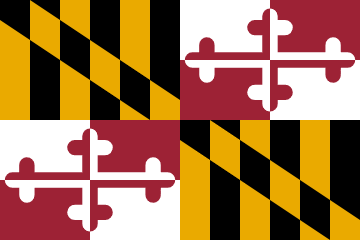
Maryland has six commercial casinos, legal retail and mobile sports betting, a state lottery that has been running since 1973 and a horse racing tradition that includes the Preakness Stakes. What it does not have is a single licensed online blackjack site.
Not one. As of August 2026, no company holds a Maryland license to offer real money online blackjack, online slots or any other internet casino game, and no such license exists to be issued.
That leaves Maryland players in an awkward spot. You can drive to MGM National Harbor and sit down at a blackjack table this afternoon. You can open a sportsbook app on your phone and bet the Ravens from your couch. But if you want to play a hand of blackjack on that same phone for real money, the state has no legal option for you.
This page covers what is actually available, what the law says, why three straight legislative sessions have failed to change it and what has to happen before Maryland gets regulated online blackjack. We cover the offshore sites that accept Maryland players and, just as importantly, the major ones that do not. For blackjack coverage in other states, see legalblackjacksites.com.
The Short Answer Is No
Online blackjack is not legal in Maryland. There is no state-licensed and state-regulated online casino, and there is no legal path for one to exist without a statewide voter referendum that has not yet been held.
Any site advertising real money online blackjack to Maryland residents right now is doing so without a Maryland license. Every one of them operates from outside the United States. None of them is regulated by any American authority. That is the honest picture, and any site telling you otherwise is selling you something.
What Maryland Players Can Legally Do Right Now
Maryland has authorized a specific list of gambling activities, and everything not on that list is prohibited.
Authorized in Maryland
- Blackjack and other table games at the state’s six licensed casinos
- Slot machines at those same six casinos
- Retail sportsbooks and licensed mobile sports betting apps
- Maryland Lottery games, sold in person at licensed retailers
- Pari-mutuel wagering on horse racing, including advance deposit wagering
- Registered daily fantasy sports contests
- Authorized charitable gaming, bingo and casino night events
Not authorized in Maryland
- Online casino games of any kind, including online blackjack
- Online poker
- Online lottery ticket sales, which makes Maryland unusual among states with legal mobile sports betting
- Any internet gaming license, because none has ever been created
Why Offshore Sites Are the Main Real Money Option
Because the state has authorized nothing, the only sites accepting Maryland players for real money blackjack are offshore operators licensed in places like Curacao, Panama, Costa Rica and the Comoros. They accept American customers, including Marylanders, and they process deposits and withdrawals, mostly through cryptocurrency.
They are not legal in the sense most people mean. They are not licensed by Maryland. They are not regulated by Maryland. The Maryland Lottery and Gaming Control Agency has publicly identified several of them as illegal operators and has sent them cease-and-desist letters. Most ignored those letters.
The Risks You Take When You Play Offshore
No recourse if something goes wrong
If an offshore site voids your winnings, freezes your account or simply stops responding, Maryland regulators cannot help you. There is no complaint process, no arbitration and no state-backed remedy.
No state audit of the games
Maryland does not test the shuffling software on an offshore blackjack table. You are relying on the operator’s own claims and whatever private testing lab it chooses to hire.
Bonus terms designed against blackjack
Most offshore welcome offers weight blackjack at a fraction of slot play, or exclude it entirely. Accepting a bonus can lock your entire balance behind a requirement you will never clear at a blackjack table.
Payment friction
American banks decline cards at these sites routinely. Crypto works, but it adds volatility, fees and a learning curve.
No enforceable claim on your money
Maryland’s own statute says a person cannot recover money won by betting at a prohibited gaming device. An offshore balance is not something a Maryland court is going to help you collect.
Weaker player protections
Maryland’s Voluntary Exclusion Program does not reach offshore sites. If you self-exclude from every casino and sportsbook in the state, offshore operators will still take your deposit.
Playing at these sites is a decision each adult makes. This page is not going to pretend the risks are not real.
Understand the ground rules before you deposit
Maryland gives you no regulator to complain to, so the reading you do beforehand is the only protection you get.
Offshore Blackjack Sites That Accept Maryland Players
Ten offshore casinos currently take Maryland residents for real money blackjack. These four rank highest for table depth, banking and operating history.

BetOnline
Operating since 2001
Blocks only one state, New Jersey, so Maryland players are accepted without complication. More than a dozen software providers and two separate live dealer lobbies.

Wild Casino
Largest live dealer floor
Casino-only, with one of the larger live dealer floors available to American players and blackjack tables across a range of limits. Deposits from $10.

Super Slots
Proven shared banking
Launched in 2020 as a sister site to BetOnline, so the banking and support systems are proven rather than new. Full table game and live dealer section.

MyBookie
Sports and blackjack together
Primarily a sportsbook with the casino built alongside it. Makes sense if you want sports betting and blackjack on one balance rather than blackjack variety.
Why the Four Biggest Offshore Brands Are Not on This List
The largest American-facing offshore group refuses Maryland
This is the single most important thing to understand about offshore blackjack in Maryland, and a lot of guides get it wrong. The four biggest names in the American offshore market are sister brands, and every one of them lists Maryland on its published restricted-states page.
Cafe Casino’s own help documentation states that it accepts players from the United States with the exception of those residing in Delaware, Maryland, Nevada, New Jersey and New York. Slots.lv publishes the same list, adding the Canadian provinces of Quebec and Nova Scotia. Ignition blocks the same five states. Bovada added Maryland to its restricted list after the Maryland Lottery and Gaming Control Agency sent it a cease-and-desist letter, and Maryland is one of roughly 20 jurisdictions where Bovada limits access.
If you are in Maryland, you cannot open an account at any of the four. Geolocation blocks it at signup. If you already hold a balance at one of them and then move to Maryland, their support documentation directs you to contact customer service to arrange a crypto withdrawal.
Any Maryland page recommending Ignition or its sister brands to you has not checked. The list below is drawn from sites that actually accept Maryland residents.
How We Evaluated Offshore Blackjack Sites for Maryland Players
Four things matter for a Maryland blackjack player, in this order.
Does the site accept Maryland?
We read each operator’s current terms and restricted-states list. A site that will not open your account is not a recommendation.
Is the blackjack any good?
Number of variants, whether live dealer tables exist, table limits and whether the rules are stated clearly.
Do bonuses work for blackjack, or against it?
Most do not. We say so where that is the case.
Does the site pay?
Operating history, payout methods and speed, and whether there is a documented pattern of complaints.
Check the terms page yourself
Restricted-state lists change without notice. Check the operator’s own terms page before you deposit.
The strongest all-round blackjack option for Maryland players
1. BetOnline Casino
BetOnline has been operating since 2001, which makes it the longest-running site on this list by a wide margin. It is also the least restrictive geographically. BetOnline blocks only one state, New Jersey, which means Maryland players are accepted without complication.
For blackjack specifically, BetOnline is the strongest all-round option available to Marylanders. The casino pulls software from more than a dozen providers including Betsoft, Nucleus, Rival and Saucify, which produces a wider blackjack menu than the single-provider sites elsewhere on this list. The live dealer section runs two separate lobbies with multiple blackjack tables and limits that work for both low-stakes and higher-stakes play. The streams hold up on mobile, which matters more over a long session than presentation does.
BetOnline also runs a sportsbook, racebook and poker room on the same account, which suits Maryland’s horse racing culture. The welcome offer is built around free spins on slots, so it does nothing for a blackjack player. Skip it and play unbonused. Note that BetOnline has been named by Maryland regulators in the context of unlicensed operators.
2. Wild Casino
Wild Casino accepts Maryland players and is casino-only, with no sportsbook attached. It runs one of the larger live dealer floors available to American players, with blackjack, roulette and baccarat tables across a range of limits, and it takes deposits from $10.
The multi-provider library gives it more blackjack variety than the single-software sites. Its welcome offer releases free spins gradually, 25 per day over 10 days after a $10 deposit, with winnings capped at $100. That is a slots promotion, not a blackjack one. Card deposits from American banks are declined here fairly often, so plan on crypto.
3. Super Slots
Super Slots launched in 2020 as a sister site to BetOnline and accepts Maryland players. Despite the name, it carries a full table game and live dealer section alongside its slot library, and the shared infrastructure with BetOnline means the banking and support systems are proven rather than new.
The blackjack selection is smaller than BetOnline’s and there is no poker room. Super Slots leans harder on ongoing promotions and reload offers than most offshore sites, which suits a player who logs in regularly. As everywhere else on this list, read the game weighting before accepting any bonus, because blackjack contributes very little toward rollover.
4. MyBookie Casino
MyBookie accepts Maryland players and is primarily known as a sportsbook, with the casino built alongside it. The blackjack menu is functional rather than deep, and the live dealer section is thinner than BetOnline’s or Wild Casino’s.
Where MyBookie makes sense for a Maryland player is if you want sports betting and blackjack on one balance. Where it does not make sense is if blackjack is your main game and you want variety. It holds no Maryland license and provides no state-backed consumer protection. Maryland’s regulator has cited offshore brands of this type as examples of illegal operators.

5. BetUS Casino
BetUS accepts Maryland players and has served American customers for well over a decade, operating under a license issued in Mwali, Union of the Comoros. The casino sits alongside a sportsbook and includes both software and live dealer blackjack.
Two things Maryland players should know. First, BetUS was one of the 11 operators the Maryland Lottery and Gaming Control Agency sent cease-and-desist letters to in January 2025, and it did not comply. Second, BetUS accepts customers at 18, which is below Maryland’s casino gambling age of 21. That gap tells you something about how closely this operator tracks American state rules. Its welcome bonuses are among the largest advertised offshore, which usually means the rollover terms are among the toughest.

6. CasinoMax
CasinoMax accepts American players including Marylanders and runs on RealTime Gaming software. It is operated by Entertainment Software Group, which also runs several of the other brands on this list.
For blackjack, RealTime Gaming is a mixed bag. The blackjack variants are stable and clearly presented, but there are fewer of them than on multi-provider sites and the live dealer offering is limited compared with BetOnline or Wild Casino. CasinoMax pushes bonuses aggressively, often at 200 percent or higher. Look at the fine print before you touch one. On RealTime Gaming sites, blackjack rollover requirements are routinely 10 times the slot requirement, which makes a headline bonus effectively unusable at the tables.

7. Cherry Jackpot
Cherry Jackpot is a sister brand to CasinoMax and runs the same RealTime Gaming platform, so the blackjack offering is close to identical. It accepts Maryland players.
The practical reason a Maryland player would choose Cherry Jackpot over its sister sites is bonus rotation. The group runs frequent cross-brand promotions, and having accounts at more than one lets you take a new-player offer at each. The trade-off is a shallower game library than the multi-provider sites, and the same unfavorable blackjack weighting on bonuses.
8. Roaring 21
Roaring 21 is another Entertainment Software Group brand on RealTime Gaming software, accepting Maryland players. The 1920s theming is the main point of difference from CasinoMax and Cherry Jackpot; the underlying blackjack games are the same.
Worth flagging honestly: this brand group has a documented history of player complaints around verification and withdrawal delays, particularly for accounts flagged during know-your-customer checks. Have your identification documents ready before you request a payout, and expect the process to take longer than at BetOnline.

9. Slots Ninja
Slots Ninja accepts Maryland players and is the fourth Entertainment Software Group brand here. As the name suggests, the site is built around slots, and blackjack is a secondary offering rather than a focus.
A blackjack-first player has little reason to choose Slots Ninja over BetOnline or Wild Casino. It earns a place on this list because it accepts Maryland and does carry blackjack tables, not because it is a strong blackjack destination. If you play slots most of the time and want blackjack occasionally, it is reasonable. If you play blackjack most of the time, look elsewhere on this list.
10. Love2Play
Love2Play is a smaller American-facing casino brand that accepts Maryland players. It carries both software and live dealer blackjack alongside slots and other table games, with a crypto-first banking setup.
Being newer and smaller cuts both ways. Promotions tend to be more generous because the site is buying market share, but there is less operating history to judge it by than BetOnline’s 25 years. For a Maryland player, that means treating it as a secondary account rather than a primary one, and keeping balances small until you have tested a withdrawal.


Maryland Offshore Blackjack Site Comparison
| Site | Accepts Maryland | Software | Live Dealer Blackjack | Sportsbook | Best For |
|---|---|---|---|---|---|
| BetOnline | Yes | Multi-provider | Yes, two lobbies | Yes | Overall blackjack play |
| Wild Casino | Yes | Multi-provider | Yes, large floor | No | Live dealer variety |
| Super Slots | Yes | Multi-provider | Yes | No | Ongoing promotions |
| MyBookie | Yes | Multi-provider | Limited | Yes | Sports and blackjack together |
| BetUS | Yes | Multi-provider | Yes | Yes | Long operating history |
| CasinoMax | Yes | RealTime Gaming | Limited | No | Bonus volume |
| Cherry Jackpot | Yes | RealTime Gaming | Limited | No | Cross-brand promotions |
| Roaring 21 | Yes | RealTime Gaming | Limited | No | Themed slot play |
| Slots Ninja | Yes | RealTime Gaming | Limited | No | Slots with occasional blackjack |
| Love2Play | Yes | Multi-provider | Yes | No | Newer-site promotions |
Check an offshore casino before you sign up
Maryland licenses none of these sites, so verification is on you. Start with the license and the bonus terms.
Are Offshore Blackjack Sites Legal in Maryland?
No. They are not licensed in Maryland, not regulated anywhere in the United States, and the state has said so in writing.
Not Licensed, Not Regulated, but Still Accepting Maryland Players
Under Maryland law, gaming is illegal unless it is expressly authorized. Michael Eaton, managing director of gaming at the Maryland Lottery and Gaming Control Agency, put it directly in a letter to one operator: the offerings contain the elements of gaming, meaning consideration, chance and prize, and gaming that is not legally authorized in Maryland is not legal.
That is the state’s position and it is unambiguous. What is equally true is that these sites keep accepting Maryland players anyway, because Maryland has not had the enforcement tools to stop them.
What Maryland Law Actually Says About the Player
Maryland’s core gambling statute is Section 12-102 of the Criminal Law Article, which says a person may not bet, wager or gamble, and may not receive, become the depository of, record, register or forward money to be bet or gambled on the result of a race, contest or contingency. A violation is a misdemeanor carrying up to six months in prison, a fine of up to $5,000, or both. A separate provision allows citation rather than arrest, but only in Baltimore City.
The statute predates the internet and does not mention online gambling. In practice, Maryland’s enforcement has been aimed at operators, promoters and people who take and forward bets, not at individual players. There is no record of Maryland prosecuting anyone for playing blackjack at an offshore online casino. That is not a promise, and it is not legal advice. It is what the record shows.
Two other sections are worth knowing. Section 12-110 states that a person cannot recover money won by betting at a gaming device prohibited under the title, which means an offshore balance has no protection in a Maryland court. And Section 12-113 directs the Attorney General’s Office, the State Lottery and Gaming Control Commission, the Department of State Police, local law enforcement and the courts to construe the gambling title liberally in order to prevent the activities it prohibits. Maryland’s gambling law is written to be read broadly against gambling, not narrowly in its favor.
You can read the statute and current bill text at the Maryland General Assembly website.
What the Maryland Lottery and Gaming Control Agency Has Done About It
Maryland’s regulator has been among the more active in the country, and it has been openly frustrated by how little effect its actions have had.
In January 2025, the Maryland Lottery and Gaming Control Agency sent cease-and-desist letters to 11 unlicensed online gaming operators. Five were offshore sportsbooks and casinos: BetUS, BetNow, Everygame, BetAnySports and SlotsAndCasino. The remaining six were sweepstakes and social gaming operators. Six of the 11 responded. Zero agreed to block Maryland residents. The offshore operators did not respond at all.
The agency then began sending follow-up letters and, more significantly, initial letters to payment processors asking them to block access for Maryland residents. It sent a separate cease-and-desist to High 5 Casino in March 2025.
The one clear success came against the largest offshore brand group serving American players. After receiving a cease-and-desist, its flagship casino added Maryland to its restricted list, and the three sister brands followed. That is why the four largest offshore casinos serving American players are unavailable in Maryland while a dozen smaller ones remain.
Testifying before lawmakers, agency Director John Martin said the agency had sent dozens of cease-and-desist orders and that roughly two-thirds of recipients simply did not comply. His argument to the legislature was that letters without statutory teeth do not work. As of August 2026, the legislature has not given the agency those teeth.
The Real Risks of Playing Blackjack Offshore
Payout disputes have no referee
At a Maryland casino, a disputed hand goes to the floor supervisor and, if necessary, to the state regulator. Offshore, the operator is the referee, the appeals court and the party holding your money.
Verification can be used as a delay
Know-your-customer checks are legitimate and every serious operator runs them. But offshore, they can also become a stall tactic when a withdrawal is requested. Complete verification before you have a balance you care about, not after.
Bonus terms are the most common trap for blackjack players
Some offshore sites set slot rollover at around 50 times the bonus while setting blackjack at 500 times or more. A bonus that looks generous can make your entire balance unwithdrawable if you intend to play blackjack with it.
Restricted-state enforcement can cost you your balance
If a site later adds Maryland to its blocked list, or determines you accessed it from a restricted state, its terms typically allow account closure and forfeiture of funds. This is exactly what happened to Maryland players at the four largest offshore brands when they added the state to their blocked lists.
Responsible gambling tools are optional offshore
Deposit limits and self-exclusion exist at the better sites, but there is no regulator checking that they work, and nothing connects them to Maryland’s statewide exclusion program.
Know what you can and cannot claim
Maryland courts will not help you collect an offshore balance, which makes the dispute process at the operator your only route.
Why Online Blackjack Is Not Legal in Maryland
Maryland is the clearest case in the country of a referendum requirement killing bills before they ever reach a governor’s desk.
Maryland Requires a Voter Referendum to Expand Gambling
This is the structural reason Maryland does not have online blackjack, and it is the reason bills keep dying.
Article XIX of the Maryland Constitution, added by the 2007 amendment that voters ratified in 2008, requires that any expansion of commercial gaming be approved by voters through a statewide referendum at a general election. The General Assembly cannot simply pass an online casino bill and send it to the governor. It has to pass a referendum measure, wait for a general election, win the popular vote and then pass an implementing framework.
Pass a referendum bill
The General Assembly has to approve a measure placing online casino legalization on the ballot. Senate Bill 761 was the 2026 version.
Pass the implementing framework
A second, linked bill has to set up licensing and regulation. Senate Bill 885 was the 2026 version. If either half fails, the whole thing fails.
Win a statewide vote at a general election
Voters have to approve the question. That adds a year and an election cycle on top of the legislative work.
Build the regulated market
Only then do licensing, rule writing and platform certification begin.
That two-step requirement is why every serious Maryland iGaming effort has come as a pair of linked bills, and why both have to survive. In 2026, Senator Ron Watson filed Senate Bill 761 for the referendum and Senate Bill 885 for the framework. Neither made it out.
Criminal Law Title 12 and the Default Prohibition
Maryland uses a prohibition-by-default model. Title 12 of the Criminal Law Article bans betting, wagering and gambling, and every legal form of gambling in Maryland exists as a carved-out exception created by specific legislation and, for commercial gaming, by referendum.
Online casino games have never been carved out. Because Title 12 must be construed liberally to prevent what it prohibits, the absence of an authorization is not a gray area in Maryland. It is a prohibition.
The Arguments That Keep Blocking Legal Online Blackjack
Four arguments have consistently defeated iGaming in Annapolis.
Cannibalization of the casinos
Maryland’s six casinos generate substantial state revenue and employ thousands of people. Operators and their allies argue that online play pulls customers off the casino floor. Supporters counter with data from states where retail revenue held steady after iGaming launched. The argument has never been settled to the legislature’s satisfaction.
Casino jobs and organized labor
Maryland casino workers are represented, and labor has been skeptical. Watson’s 2026 bill tried to address this directly by including a $10 million displacement fund for affected workers and requiring iGaming license applicants to either maintain a collective bargaining agreement or enter a labor peace agreement. It was not enough to move the bill.
Problem gambling
Opponents argue that putting casino games on every phone increases gambling harm, and that Maryland should strengthen protections before expanding. Reports of rising rates of disordered gambling since mobile sports betting launched have given this argument more weight each session.
Public opinion
This is the hardest obstacle. A poll conducted by Lake Research Partners in October 2025, commissioned by the National Association Against iGaming, surveyed 650 registered Maryland voters and found 71 percent opposed to legalizing iGaming, with 64 percent of that group strongly opposed. Since Maryland requires a referendum, lawmakers are being asked to spend political capital on a ballot question that polling says would lose.
Maryland Online Blackjack Bills and Legislative Timeline
Two ballot questions built Maryland’s casino industry. Four straight iGaming attempts have failed to add a third.
2008 to 2012: The Referendums That Built Maryland Casino Gambling
Maryland’s modern gambling framework starts with two ballot questions. In November 2008, voters approved Question 2, authorizing slot machine gambling with up to five licenses and 15,000 machines. Pro-gambling groups outspent opponents roughly seven to one in that campaign. Hollywood Casino Perryville opened in 2010 as the state’s first casino, offering slots only.
In November 2012, voters approved Question 7 by 51.9 percent, authorizing live table games, which is what legalized blackjack in Maryland, and adding a sixth casino license in Prince George’s County. That measure became MGM National Harbor, which opened in December 2016. Question 7 remains the only legislatively referred state statute to appear on a Maryland ballot in the period from 1996 through 2018.
2020 to 2022: The Sports Betting Referendum and Launch
Senate Bill 4 in the 2020 session referred sports betting to the ballot. The House passed it 129-3. Voters approved Question 2 in November 2020, authorizing sports and events betting with revenue directed primarily to public education through the Blueprint for Maryland’s Future Fund.
Retail sportsbooks opened in December 2021. Mobile sports betting launched in late 2022. This is the template supporters point to for online blackjack: refer it, win the vote, build the framework. It is also the precedent opponents cite when they argue Maryland has expanded enough.
2023: The First iGaming Push Fails
Maryland lawmakers passed a substantial number of bills in the 2023 session. An iGaming legalization measure was not among them. The effort did not advance far enough to generate a floor vote.
2024: HB 1319 Passes the House and Dies in the Senate
The 2024 session came closer than any before or since. Delegate Vanessa Atterbeary’s House Bill 1319 was amended by subcommittee on March 13 as a deadline for placing questions before November voters approached, and it passed the House of Delegates on March 18, 2024.
It then stalled. On April 4, 2024, the iGaming measure was left out of the House budget, which effectively killed it for the session. The Senate never took it up.
2024 to 2025: HB 17, SB 340 and the First Sweepstakes Ban Attempt
Atterbeary pre-filed House Bill 17 in the Ways and Means Committee on Oct. 16, 2024, setting up a second attempt with licensing standards, responsible gaming funding and fairness requirements.
On Jan. 15, 2025, the Maryland Lottery and Gaming Control Agency announced its 11 cease-and-desist letters. On Jan. 19, 2025, Senator Ron Watson refiled the previous year’s House measure as Senate Bill 340. On Jan. 28, 2025, Senate Bill 860 was introduced to prohibit online sweepstakes casinos and to allow denial or revocation of licenses for anyone supporting or promoting them.
Neither iGaming bill advanced. Senate Bill 860 passed the Senate unanimously and then died in the House Ways and Means Committee when the session ended in April 2025.
2026: SB 761 and SB 885 Withdrawn
The 2026 session ran from Jan. 14 to April 13 and produced the most detailed iGaming proposal yet.
Senator Watson filed Senate Bill 761, which would have placed online casino legalization before Maryland voters in the November 2026 general election, and Senate Bill 885, the implementing framework. Senate Bill 885 would have let the Maryland Lottery and Gaming Control Commission issue iGaming and online bingo licenses to video lottery operators and to sports wagering licensees holding both a facility license and a mobile license issued on or before Dec. 31, 2026. It also opened eligibility to companies headquartered in Maryland for at least 10 years, companies employing at least 250 full-time Maryland workers, and firms committing at least $5 million to build a live dealer studio or a film and television studio in the state. The license fee was set at $1 million. The bill included the $10 million worker displacement fund and the labor peace requirement.
The Senate Budget and Taxation Committee held a hearing on Senate Bill 885 on March 11, 2026. Watson projected $1.25 billion to $1.5 billion in additional state tax revenue over five years. Opponents testified on gambling addiction and retail casino cannibalization.
Both halves pulled before the session ended
Watson withdrew Senate Bill 761 in mid-March. He then pulled Senate Bill 885 before the session ended, citing insufficient support. With the referendum bill gone, the November 2026 ballot window closed.
2026: The Sweepstakes Ban Bills That Passed the House and Died in the Senate
While iGaming collapsed, two sweepstakes prohibition bills moved further than any before them.
House Bill 295, sponsored by the House Ways and Means Committee at the request of the Maryland Lottery and Gaming Control Agency and backed by Gov. Wes Moore, would have created a new criminal prohibition on interactive games, defined as any online or mobile game that uses multiple currency systems of payment allowing a player to exchange currency for a prize, award, cash or cash equivalent, and that simulates casino-style gaming, lottery games or sports wagering. Games awarding only noncash prizes were excluded. Penalties ran from $10,000 to $100,000 in fines and up to three years in prison. It passed the House on March 20, 2026, by 105-24. Its cross-filed Senate companion was Senate Bill 112.
House Bill 1226, titled the Maryland Illegal Online Gambling Enforcement Act, took the broader route. It would have explicitly folded sweepstakes gaming into the state’s definition of illegal online gambling and given regulators and the attorney general cease-and-desist authority, injunctions and civil and criminal penalties reaching operators, affiliates, promoters and service providers, including web hosting companies. It passed the House on March 23, 2026, by 134-2.
Both bills were referred to the Senate Budget and Taxation Committee. Neither received a floor vote before adjournment on April 13, 2026. Both died. The outcome mirrored 2025 in reverse: that year a Senate ban passed unanimously and stalled in the House.
Maryland Online Gambling Timeline at a Glance
| Date | Event |
|---|---|
| 1973 | Maryland Lottery established |
| 2007 to 2008 | Article XIX added to state constitution; Question 2 approves slot machines |
| 2010 | Hollywood Casino Perryville opens as the first Maryland casino |
| November 2012 | Question 7 approves table games including blackjack, plus a sixth casino |
| Aug. 26, 2014 | Horseshoe Casino Baltimore opens |
| December 2016 | MGM National Harbor opens |
| November 2020 | Question 2 approves sports and events betting |
| December 2021 | Retail sports betting launches |
| Late 2022 | Mobile sports betting launches |
| 2023 | First iGaming legalization effort fails |
| March 18, 2024 | HB 1319 passes the House of Delegates |
| April 4, 2024 | iGaming dropped from the House budget, killing the 2024 effort |
| Oct. 16, 2024 | HB 17 pre-filed for the 2025 session |
| Jan. 15, 2025 | Regulator sends 11 cease-and-desist letters; none agree to block Maryland |
| Jan. 19, 2025 | SB 340 refiled to legalize online casinos |
| Jan. 28, 2025 | SB 860 introduced to ban sweepstakes casinos |
| March 2025 | Cease-and-desist sent to High 5 Casino |
| April 2025 | SB 860 passes Senate unanimously, dies in House |
| June 11, 2025 | Pulsz exits Maryland |
| Aug. 29, 2025 | Funzpoints adds Maryland to its restricted list |
| October 2025 | Poll finds 71 percent of Maryland voters oppose iGaming |
| February 2026 | SB 761 and SB 885 introduced |
| March 11, 2026 | Senate Budget and Taxation hearing on SB 885 |
| March 20, 2026 | HB 295 passes the House 105-24 |
| March 23, 2026 | HB 1226 passes the House 134-2 |
| March 2026 | Watson withdraws SB 761, then SB 885 |
| April 13, 2026 | Session adjourns; all four gaming bills dead |
Follow the law, not the marketing
Maryland’s answer is set by statute and by the state constitution. These pages explain both, and what other states did differently.
Tribal Blackjack and Tribal Gaming in Maryland
The tribal path that opened online casinos in Maine does not exist in Maryland, because no Maryland tribe is federally recognized.
Maryland Has No Federally Recognized Tribes and No Tribal Casinos
There is no tribal gaming in Maryland. All six Maryland casinos are privately operated under state licenses issued by the Maryland Lottery and Gaming Control Agency. No tribe operates a casino, a card room or a bingo hall in the state, and no tribal-state gaming compact exists.
The reason is federal recognition. The Indian Gaming Regulatory Act of 1988 requires that a tribe be federally recognized by the Bureau of Indian Affairs before it can negotiate a gaming compact with a state, and requires that compact to be approved by the Department of the Interior. Maryland has no federally recognized tribes. Without federal recognition, the Indian Gaming Regulatory Act does not apply, and there is no legal mechanism for tribal gaming of any kind.
The Piscataway Conoy Tribe and the Piscataway Indian Nation
Maryland does have two state-recognized tribes: the Piscataway Conoy Tribe of Maryland and the Piscataway Indian Nation and Tayac Territory. Both identify as descendants of the Piscataway people, whose traditional homelands lie in Charles, Prince George’s and St. Mary’s counties. Neither is federally recognized.
State recognition and federal recognition are different things with different legal consequences. State recognition is an acknowledgment by the state government. Federal recognition establishes a government-to-government relationship with the United States and is the gateway to the Indian Gaming Regulatory Act.
The 2012 State Recognition and the Casino Renouncement
The Piscataway Conoy Tribe began petitioning for formal state recognition in 1995. Gov. Martin O’Malley granted recognition to both Piscataway groups by executive order on Jan. 9, 2012. That order granted Maryland Indian status but expressly did not affect rights to land or gaming.
Gaming was central to the delay. Advocates for the tribes have said the state resisted recognition for years specifically because it feared the tribes would pursue casinos. As part of the negotiation that produced recognition, the Piscataway Conoy Tribe renounced any plans to open casinos. The Cedarville Band has been consistently opposed to gaming.
The timing is notable. Recognition came in January 2012, the same year voters approved Question 7 authorizing table games and a sixth commercial casino.
Why Tribal Gaming Is Not a Path to Online Blackjack in Maryland
Maine took the tribal route; Maryland cannot
In some states, tribal gaming has been the vehicle for online casino legalization. Maine legalized online casino gaming in early 2026 by granting the Wabanaki Tribes exclusive rights to offer it, after Gov. Janet Mills declined to veto the measure.
That path is closed in Maryland. There is no federally recognized tribe to hold such a license, one of the two state-recognized tribes has formally renounced casino gaming, and even the tribal route would still run into Article XIX. Maryland’s only path to legal online blackjack runs through the ballot box.
Sweepstakes Blackjack Sites for Maryland Players
No Maryland statute names sweepstakes casinos legal or illegal, and three bills to ban them have failed. Most major brands left anyway.
Are Sweepstakes Casinos Blocked in Maryland?
Not officially, and this is one of the more confusing situations in American gambling law.
No Maryland statute names sweepstakes casinos as either legal or illegal. Three separate bills to ban them have failed. The honest answer is that their status is unsettled: the regulator treats them as operating against existing gambling law, but that is an enforcement position rather than a court ruling or a specific statutory ban.
The practical answer is different from the legal one. Most major sweepstakes operators have left Maryland voluntarily. The state has been half-emptied by regulatory pressure rather than by law.
The Cease and Desist Campaign Against Sweepstakes Operators
The Maryland Lottery and Gaming Control Agency has run one of the more aggressive sweepstakes enforcement campaigns in the country, and it has been public about the results.
The agency put Chumba Casino on notice in November 2024. Its January 2025 batch of 11 letters included five sweepstakes casinos and one social sportsbook. It sent a cease-and-desist to High 5 Casino in March 2025. VGW, which operates Chumba Casino, LuckyLand Slots and Global Poker, also received a letter.
Director John Martin told lawmakers the agency had sent dozens of orders and that around two-thirds of recipients did not comply. The agency also began writing to payment processors, asking them to block Maryland access. Its argument to the legislature was straightforward: letters alone do not work, and the agency needs a statute.
SB 860, HB 295 and HB 1226: Three Ban Attempts That Failed
Maryland has now tried and failed three times in two years.
Senate Bill 860 in 2025 passed the Senate unanimously and died in House Ways and Means. In 2026 the chambers swapped roles: House Bill 295 passed the House 105-24 and House Bill 1226 passed 134-2, and both died in Senate Budget and Taxation without a floor vote before the April 13 adjournment.
Those are not close margins. Gov. Wes Moore backed House Bill 295 and indicated he would have signed it. What killed both bills was a single committee’s inaction in the opposite chamber, twice in a row. The Social Gaming Leadership Alliance, which represents sweepstakes operators, welcomed the outcome. Most observers expect the issue back in the 2027 session, which runs January through April.
The Sweepstakes Operators That Left Maryland Anyway
Even without a ban, a long list of operators concluded Maryland was not worth the regulatory risk and pulled out. Departures have included Pulsz, which withdrew both its Gold Coins and Sweeps Coins games on June 11, 2025, and Funzpoints, which added Maryland to its restricted list on Aug. 29, 2025. McLuck, Hello Millions, Jackpota, Mega Bonanza, Spree, WOW Vegas, Modo Casino, Sidepot and Lucky Stake have also blocked or exited the state at various points.
The split among operators comes down to risk appetite. Brands with large multi-state footprints and licensing ambitions left to protect their standing elsewhere. Smaller brands stayed, calculating that letters without statutory penalties carry little real cost.
Which Sweepstakes Sites Still Offer Blackjack to Maryland Players
A shrinking group of platforms still accepts Maryland players, and the roster changes frequently enough that any published list goes stale within weeks. VGW’s brands, including Chumba Casino, continued to operate in Maryland after receiving a cease-and-desist. Several newer platforms have moved into the space the departing brands left behind.
Rather than trust a list, check the operator’s own terms page for a restricted-states section before you register. That is the only current source.
Sweepstakes blackjack often does not count toward playthrough
One structural caveat matters more for blackjack players than for slot players. Sweepstakes blackjack is thinner than sweepstakes slots almost everywhere, because the sweepstakes model was built around slot mechanics. Where live dealer blackjack does exist, it is common for those tables to sit outside the playthrough requirement entirely, meaning hands you play there do not count toward unlocking redemption. At least one platform states this plainly in its own rules. If you plan to clear Sweeps Coins at a blackjack table, read the playthrough terms first, because on many sites you cannot.
How Sweepstakes Blackjack Works: Gold Coins and Sweeps Coins
Sweepstakes casinos use a dual-currency structure. Gold Coins are a play-money currency with no cash value, used for entertainment. Sweeps Coins are the promotional currency: you receive them free with Gold Coin purchases, through mail-in requests and through daily bonuses, and after meeting a playthrough requirement they can be redeemed for cash prizes.
The legal theory is that you are never purchasing the redeemable currency, only receiving it as a promotional bonus, which places the model within sweepstakes law rather than gambling law. That is precisely the theory House Bill 295 was drafted to eliminate, by criminalizing games that use multiple currency systems allowing exchange for cash or cash equivalents.
Sweepstakes redemptions are taxable income in Maryland like any other gambling winnings.
Sweeps, social and real money are not the same thing
Maryland’s unsettled sweepstakes status makes the distinctions worth knowing before you register anywhere.
When Will Online Blackjack Become Legal in Maryland?
Not soon. The referendum window for 2026 closed in March, and the constitution ties the next one to a general election.
The Referendum Requirement and the Next Realistic Window
Article XIX requires a general election. When Watson withdrew Senate Bill 761 in March 2026, the November 2026 ballot window closed. Since the constitution ties referendums to general elections, the next realistic opportunity is November 2028.
Working backward from that: a referendum bill would need to pass in the 2027 or 2028 session, and an implementing framework would need to pass alongside it. If both passed and voters approved in November 2028, licensing, regulation writing and platform certification would follow. Regulated online blackjack in Maryland launching before 2029 or 2030 would require everything to go right starting next session.
What Has to Happen in the 2027 Session
Three things, at minimum.
A sponsor files both halves again
Watson has done this every year and has given no indication he intends to stop.
The bill clears Senate Budget and Taxation
That committee is where Maryland gaming legislation has gone to die two years running, killing not just iGaming but both sweepstakes ban bills.
Labor and cannibalization objections get real answers
They need answers that satisfy legislators rather than just addressing them on paper. Senate Bill 885 already included a displacement fund and labor peace requirements and still could not find the votes.
The Obstacles: Public Opinion, Casino Operators and Labor
The polling is the hardest problem. At 71 percent opposition, a referendum held today would lose badly. Lawmakers are being asked to refer a question that would likely fail, which is not a comfortable position.
Supporters argue the poll measured an abstraction rather than a real campaign, and note that the 2008 slots referendum passed after a well-funded campaign despite serious opposition. That is fair. It is also fair to note that gambling companies outspent opponents roughly seven to one in 2008, and no comparable campaign has been organized for iGaming in Maryland.
Meanwhile the regulator’s own enforcement problem cuts both ways in the debate. Supporters use unlicensed operators as an argument for regulating the market. Opponents use the same facts to argue Maryland cannot control what it already has.
What Neighboring States Have Already Done
Maryland is surrounded. Delaware, New Jersey, Pennsylvania and West Virginia all have legal, regulated online casino gaming, along with Connecticut, Michigan and Rhode Island. Maine legalized in early 2026 through its tribes. Illinois and Virginia have both considered authorizing bills.
Maryland is one of the largest closed iGaming markets in the country, with high per-capita income and demonstrated demand. That is exactly the argument Watson makes: the market exists and the state currently collects nothing from it.
Our Honest Prediction for Maryland Online Blackjack
Not soon
The 2027 session is more likely to produce a sweepstakes ban than an iGaming authorization. Both sweeps bills passed the House by lopsided margins with the governor’s support, and that kind of procedural blockage rarely survives a second session. A ban is a straightforward vote against something unpopular.
iGaming is the opposite. It requires a referendum, and the polling is bad. Our read is that regulated online blackjack in Maryland is a 2029 or 2030 possibility at the earliest, and only if a serious, funded campaign moves public opinion first. Anyone telling you it is coming next year is guessing.
See what a regulated market looks like
Maryland is surrounded by states that already did this. Their pages show what a licensed online blackjack market actually offers.
Where You Can Legally Play Blackjack in Maryland Right Now
Six commercial casinos deal blackjack, and the payout on a natural varies sharply between them.
The Six Maryland Casinos With Blackjack Tables
All six are privately operated under state licenses. There are no tribal casinos.
MGM National Harbor, Oxon Hill
Opened December 2016, the $1.4 billion property is the state’s highest-grossing casino, about 10 miles from downtown Washington on the Potomac. Roughly 125,000 square feet of gaming with about 3,300 slots, 140 table games and a 50-table poker room. It is the only casino in the region dealing Pontoon.
Live! Casino and Hotel, Hanover
Opened 2012 next to Arundel Mills, and the largest Maryland casino by gaming volume with roughly 4,000 slots and more than 200 live table games, plus the state’s biggest poker room. It runs several distinct blackjack games at different limits and deals Spanish 21. Blackjack tournaments run during the week.
Horseshoe Casino Baltimore
Opened Aug. 26, 2014, on Russell Street next to M and T Bank Stadium. Two floors and about 122,000 square feet with roughly 153 table games.
Hollywood Casino Perryville
Opened 2010 as Maryland’s first casino, about 75,000 square feet with a smaller table game floor of roughly 13 tables. Deals Spanish 21.
Casino at Ocean Downs, Berlin
A racino near Ocean City with more than 850 slots plus table games, open seven days a week. Deals Players Edge 21, a Spanish 21 variant.
Rocky Gap Casino Resort, Flintstone
A resort property in western Maryland near Rocky Gap State Park, with golf and a spa alongside the casino. The most casual blackjack atmosphere in the state and generally the lowest minimums.
Blackjack Rules and Table Limits at Maryland Casinos
Rules vary by property and by table, and the single most important thing to check before sitting down is the payout on a natural.
6:5 at the lower limits
- Horseshoe Casino Baltimore
- Live! Casino and Hotel
- MGM National Harbor
- A 6:5 payout roughly doubles the house edge compared with 3:2
Historically 3:2 across the floor
- Casino at Ocean Downs
- Rocky Gap Casino Resort
- Hollywood Casino Perryville
- 3:2 is the difference between a reasonable game and a bad one
At the big three, moving up in limit generally improves the rules. At Horseshoe, the lowest blackjack limit has paid 6:5 out of a continuous shuffling machine, with 3:2 available at a higher minimum on a six-deck shoe allowing surrender, and dealer-stands-on-all-17 tables at higher minimums still. High limits of $10,000 have been posted at Live!, Horseshoe and MGM National Harbor, with $500 to $1,000 more typical elsewhere.
Rocky Gap has run the lowest minimums in the state, with weekday tables starting lower than the metro-area casinos and rising on weekends and busy periods.
Table conditions change. Treat all of the above as guidance and read the felt.
Legal Gambling Age in Maryland
You must be 21 to gamble at a Maryland casino, including at any blackjack table, and 21 for poker and sports betting. The minimum age is 18 for Maryland Lottery games, bingo and pari-mutuel horse race wagering.
An offshore site taking 18-year-olds is a warning sign
Offshore sites commonly accept customers at 18. That does not make it legal for an 18-year-old Marylander to play blackjack online. It is a sign the operator is not following American state rules.
Charitable Gaming and Casino Night Blackjack
Maryland authorizes charitable gaming, including bingo and casino night events run by qualified nonprofit organizations under county-level rules. These events can include blackjack tables. Rules on stakes, prizes, licensing and permitted counties vary, and they are administered locally rather than uniformly across the state.
Live Dealer Blackjack for Maryland Players
The stream looks the same whether the table is regulated or not, which is exactly the problem.
How Live Dealer Blackjack Compares to a Maryland Casino Table
Live dealer blackjack streams a real dealer at a real table from a studio, and it is the closest thing to an MGM National Harbor or Live! table you can get on a phone. You see the cards dealt on camera, you can use the chat function, and the pace is set by the dealer rather than by software.
The critical difference is oversight. A live dealer table in a regulated market is licensed and audited. A live dealer table at an offshore site is not. The stream looks the same either way, which is part of why offshore live dealer play feels more legitimate than it is.
Table Limits and Live Blackjack Availability Offshore
Among sites accepting Maryland players, live dealer depth varies significantly. BetOnline runs two separate live lobbies with multiple blackjack tables and a broad limit range. Wild Casino carries one of the larger live floors available to American players. The RealTime Gaming brands, meaning CasinoMax, Cherry Jackpot, Roaring 21 and Slots Ninja, are considerably thinner on live blackjack.
Live tables are usually excluded from bonus clearing
One rule applies everywhere: live dealer play is typically excluded from bonus clearing, and it is often excluded from bonus play entirely. If you have an active bonus balance, check whether the live tables are even permitted before you sit down.
Judge a live table before you sit down
Offshore studios are not audited by any American regulator, so the fairness questions are yours to ask.
Mobile Blackjack in Maryland
There is nothing to download. Offshore casinos serving Maryland run in the mobile browser, and that is the correct behavior.
Browser Play Versus Apps
Offshore casinos serving Maryland players run in the mobile browser rather than through an app. Apple and Google do not permit real money casino apps for jurisdictions where the operator is not licensed, so there is nothing to download from either store.
In practice, the browser experience is close to identical to the desktop site, and blackjack in particular translates well to a phone screen. Live dealer streams are the most demanding element and will consume meaningful data, so use Wi-Fi where you can.
What Mobile Blackjack Looks Like on Offshore Sites
Expect a scaled-down lobby, a simplified cashier and full functionality on the tables themselves.
Never sideload an offshore casino app
Anything asking you to sideload an application file onto an Android phone deserves suspicion. There is no legitimate reason an offshore casino needs you to install software to play blackjack in 2026.
Blackjack Bonuses at Offshore Maryland Sites
This is the section most affiliate pages skip, and it matters more than anything else on this page if you are a blackjack player.
Why Most Welcome Bonuses Are Useless for Blackjack
Offshore welcome bonuses are designed for slot players. Free spin offers are the most obvious case: a promotion granting 250 free spins over 10 days has zero value at a blackjack table. But even deposit match bonuses are structured against blackjack through game weighting.
Wagering Requirement Weighting Explained
A wagering requirement is the amount you must bet before bonus funds and any winnings become withdrawable. The trap is that different games count differently.
The scale of the difference is worth seeing concretely. At one large offshore brand family, published requirements have run like this.
| Game | Approximate rollover multiple |
|---|---|
| Slots and keno | 52 times |
| Table poker | 258 times |
| Blackjack and video poker | 515 times |
| Baccarat and roulette | 1,029 times |
Read that again: blackjack can carry a rollover requirement nearly 10 times higher than slots on the same bonus.
Nothing about the Maryland-facing sites changes that structure. A $500 bonus with a slot-friendly rollover becomes an effectively unclearable obligation the moment you decide to play it at a blackjack table. Some sites go further and exclude blackjack from bonus play entirely, which at least has the virtue of being clear.
What to Look for as a Blackjack Player
Consider declining the bonus
Playing with your own money and no rollover means you can withdraw whenever you want. For blackjack, that is usually the better deal.
Find the game weighting table first
It is normally in the promotion terms, not the promotion advertisement.
Check maximum bet limits during bonus play
Many sites cap wagers while a bonus is active, often around $10, and exceeding it can void the whole thing.
Check whether live dealer play counts
Usually it does not.
Look for wager-free offers
A smaller bonus with no rollover beats a large one you cannot clear.
Do the bonus math before you deposit
The weighting table decides whether an offer is worth anything to a blackjack player. These pages explain the numbers.
Safety and Security of Offshore Blackjack Sites
A Curacao license is a business license from a jurisdiction thousands of miles away, not an American audit.
What a Curacao License Does and Does Not Cover
Most offshore casinos serving Maryland hold a Curacao license, with some operating under Panama, Costa Rica or Comoros licensing instead. Curacao overhauled its regime, moving licensing under the Curacao Gaming Authority with individually issued license numbers rather than the old master and sublicense structure, which is a genuine improvement in transparency.
It is still not comparable to American state regulation. A Curacao license does not mean an American regulator has audited the operator, does not create any obligation to Maryland players, and does not give you a meaningful complaint path from Maryland.
Check that a license number is actually displayed and verifiable. A site claiming a license without publishing the number is a red flag.
RNG Testing and Blackjack Game Fairness
Software blackjack uses a random number generator to shuffle. In a regulated market, the state tests it. Offshore, the operator hires a private testing lab, or does not, and publishes the certificate, or does not.
Live dealer blackjack sidesteps this somewhat, because you can watch the physical cards being dealt. That is a reasonable argument for preferring live tables offshore, though it does not address whether the operator will pay you.
Banking, Payout Speed and Withdrawal Limits
Cryptocurrency is the primary banking method at every site accepting Maryland players, and it is fastest. Bitcoin withdrawals at the better operators clear in hours; card and wire payouts take business days.
Cards work for deposits at some sites but American banks decline them frequently. Withdrawals by card are rarer and slower than deposits.
Watch for weekly or monthly withdrawal caps, minimum withdrawal amounts, and fees on anything other than your first monthly payout. Test the withdrawal process with a small amount before you build a balance.
Red Flags to Watch For
Walk away if you see these
Any one of them is a reason to close the tab before you deposit.
- No verifiable license number published
- Terms that reserve broad discretion to void winnings for vaguely defined bonus abuse
- Verification requested only at withdrawal, never at signup
- No published restricted-states list, or a list that contradicts what other sources report
- Withdrawal caps low enough that a large win would take months to pay out
- Live chat that goes unanswered before you have deposited
Responsible Gambling Tools on Offshore Sites
Better offshore operators offer deposit limits, cooling-off periods and self-exclusion running from temporary to permanent, plus a responsible gaming page linking to help resources. Those tools are real and worth using.
What they are not is enforced. No regulator checks that an offshore self-exclusion actually works, and nothing connects it to Maryland’s Voluntary Exclusion Program or to any other operator. Excluding yourself at one offshore casino does nothing at the next one.
Security checks Maryland will not run for you
With no state regulator behind these sites, the testing, encryption and fund-handling questions fall to the player.
Banking Options for Maryland Blackjack Players
Crypto is the primary route, and Maryland’s regulator has been actively asking processors to close the others.
Cryptocurrency Deposits and Withdrawals
Every site on this page accepts Bitcoin, and most accept Ethereum, Litecoin and Tether. Crypto avoids the card declines American players hit routinely, clears in minutes for deposits and is the fastest withdrawal route by a wide margin.
The costs are real: you need an exchange account, you pay network fees on both ends, and holding balances in a volatile asset introduces risk unrelated to blackjack. Stablecoins like Tether address the volatility but not the complexity.
Cards, Wires and Why They Get Declined
Visa and Mastercard deposits are offered at most of these sites and are declined often. American card issuers block transactions coded as gambling to unlicensed merchants, and Maryland’s regulator has actively written to payment processors asking them to block Maryland access to sites it considers illegal.
Wire transfers and courier checks exist as withdrawal methods at some operators. They work but are slow, often taking one to two weeks, and typically carry fees.
Taxes on Blackjack Winnings in Maryland
Between state, county and federal tax, Maryland’s effective burden on a large gambling win is among the highest in the country.
Federal Reporting Requirements
Gambling winnings are taxable income and must be reported as other income on Schedule 1 of Form 1040. Federal law requires flat 24 percent withholding on qualifying payouts, generally where winnings exceed $5,000 and are at least 300 times the wager.
The 2026 change to loss deductions
Note a change that took effect Jan. 1, 2026 under the federal One Big Beautiful Bill Act: gambling losses are now deductible at only 90 percent, capped at the amount of winnings, when itemizing. That means a player who wins and loses the same amount over a year can still owe tax on the difference. Maryland follows the federal rules on loss deductions.
Maryland State and Local Income Tax on Gambling Winnings
Both residents and nonresidents owe Maryland income tax on winnings from Maryland gambling.
Effective July 1, 2025, following rate changes in the 2025 Budget Reconciliation and Financing Act, Maryland withholds on prize winnings over $5,000 at 9.5 percent for residents and 8.75 percent for nonresidents. That withholding is a prepayment, not a separate tax, and it exceeds Maryland’s ordinary income tax rates, so many players receive part of it back at filing.
If your winnings exceed $500 and no Maryland tax was withheld, you must file Form PV, the Personal Tax Payment Voucher for Forms 502 and 505, and pay the tax within 60 days of receiving the money. You claim credit for that payment on your annual return. Failing to do so can trigger penalty and interest.
On top of state tax, every Maryland resident pays a county income tax ranging from roughly 2.25 percent to 3.30 percent depending on where you live. State rates run on graduated brackets from 2 percent up to 6.5 percent at the top. Combined, Maryland’s effective burden on a large gambling win is among the highest in the country.
Full details are published by the Comptroller of Maryland in the tax alert titled Gambling Winnings and Your Maryland Tax Obligations.
Offshore Winnings Are Still Taxable
No W-2G does not mean no tax
This catches people out. An offshore casino will not issue you a W-2G and will not withhold anything. That does not make the income untaxable. Winnings from offshore blackjack are taxable income to the same extent as winnings from MGM National Harbor, and the reporting obligation falls entirely on you. Keep your own records, because nobody else is keeping them for you.
Responsible Gambling Resources in Maryland
Maryland funds free treatment for residents, but its exclusion program stops at the state line.
Maryland Problem Gambling Helpline
The Maryland Problem Gambling Helpline, 1-800-GAMBLER or 1-800-426-2537, is available 24 hours a day and can be reached by call, text or chat. Maryland residents are eligible for no-cost problem gambling treatment and can be referred directly to a counselor through the helpline. Callers can also be connected to a peer support specialist who has lived experience with problem gambling and recovery.
Maryland Center of Excellence on Problem Gambling
The Maryland Center of Excellence on Problem Gambling is a program of the University of Maryland School of Medicine, funded by the Maryland Department of Health’s Behavioral Health Administration. It coordinates a statewide network of licensed problem gambling counselors and handles public awareness, prevention, training, research and peer recovery support.
Maryland Voluntary Exclusion Program
The Maryland Lottery and Gaming Control Agency has operated the Voluntary Exclusion Program since 2011. It covers the lottery, the six casinos, sportsbooks, fantasy competitions and regulated electronic instant bingo locations in Anne Arundel and Calvert counties.
Enrolling means you agree to forfeit any winnings and are barred from entering Maryland casinos, sportsbooks and bingo halls, and from using mobile wagering and fantasy platforms. Operators remove enrolled individuals from direct marketing. A person found in a Maryland casino while enrolled may receive a citation for criminal trespass.
Enrollment runs a minimum of two years. Removal requires completing a problem gambling assessment by a state-approved licensed professional, completing any recommended treatment and completing a treatment and prevention program.
Why Self-Exclusion Does Not Reach Offshore Sites
The exclusion gap
The Voluntary Exclusion Program covers what Maryland regulates, and Maryland does not regulate offshore casinos. If you enroll, every legal gambling option in Maryland closes to you, and every offshore blackjack site remains open.
That gap is one of the strongest arguments made by supporters of regulated iGaming, and it is a genuine problem right now for anyone using self-exclusion as a recovery tool. If you are excluding yourself from Maryland gambling, contact each offshore operator you hold an account with separately and request account closure, and consider blocking software as an additional layer.
Support that works past the state line
Maryland’s exclusion program stops where its regulation stops, so offshore accounts need separate action.
Maryland Blackjack Sites FAQ
The questions Maryland players ask most, answered from the statute and the legislative record.
Is online blackjack legal in Maryland?
No. Maryland has not authorized any form of online casino gaming, and no company holds a Maryland license to offer online blackjack.
Can I get in trouble for playing blackjack at an offshore casino in Maryland?
Maryland’s gambling statute is written broadly, but enforcement has been directed at operators and those who take and forward bets, not at individual players. There is no record of Maryland prosecuting anyone for playing at an offshore online casino. This is not legal advice, and the absence of past prosecutions is not a guarantee.
Do the four biggest offshore casino brands accept Maryland players?
No. The four largest American-facing offshore casinos are a single sister-brand group, and all four block Maryland. Ignition, Cafe Casino and Slots.lv each list the state on their restricted pages, and the group’s flagship brand added Maryland after receiving a cease-and-desist letter from Maryland regulators.
Which offshore casinos accept Maryland players for blackjack?
BetOnline, Wild Casino, Super Slots, MyBookie, BetUS, CasinoMax, Cherry Jackpot, Roaring 21, Slots Ninja and Love2Play have all accepted Maryland players. Verify against the operator’s current terms page, because restricted lists change without notice.
Are sweepstakes casinos legal in Maryland?
There is no Maryland statute naming them legal or illegal. The regulator treats them as unauthorized gambling and has issued dozens of cease-and-desist letters, but three separate bills to ban them have failed. Most major operators have left the state voluntarily.
When will Maryland legalize online casinos?
Not before November 2028 at the earliest, because Maryland requires a voter referendum at a general election and the 2026 window closed when the referendum bill was withdrawn. Given that polling showed 71 percent opposition in late 2025, a launch before 2029 or 2030 would require substantial change in public opinion.
Are there tribal casinos in Maryland?
No. Maryland has no federally recognized tribes, so the Indian Gaming Regulatory Act does not apply. Both state-recognized Piscataway groups lack federal recognition, and the Piscataway Conoy Tribe renounced casino plans as part of its 2012 state recognition.
What is the legal gambling age in Maryland?
Twenty-one for casinos, poker and sports betting. Eighteen for the lottery, bingo and pari-mutuel horse race wagering.
Do I owe taxes on offshore blackjack winnings in Maryland?
Yes. Offshore winnings are taxable income at both the federal and Maryland level even though no W-2G is issued and nothing is withheld. Maryland residents also owe county income tax on top of state tax.
Does Maryland have legal online poker?
No. Online poker falls under the same prohibition as online blackjack and would require the same referendum and framework to legalize.
Where can I play blackjack legally in Maryland?
At the six licensed casinos: MGM National Harbor, Live! Casino and Hotel, Horseshoe Casino Baltimore, Hollywood Casino Perryville, Casino at Ocean Downs and Rocky Gap Casino Resort. Check the payout on a natural before sitting down, since the three largest properties spread 6:5 games at their lower limits.
If you or someone you know has a gambling problem, call or text 1-800-GAMBLER. Maryland residents are eligible for no-cost treatment. Help is available 24 hours a day.
This page is informational and is not legal or tax advice. Gambling laws change. Verify current details with the Maryland Lottery and Gaming Control Agency, the Maryland General Assembly and the Comptroller of Maryland before acting on anything here.
Reviewed and updated August 2026 against the 2026 Maryland General Assembly session record, Maryland Lottery and Gaming Control Agency enforcement announcements and current operator restricted-states pages.
